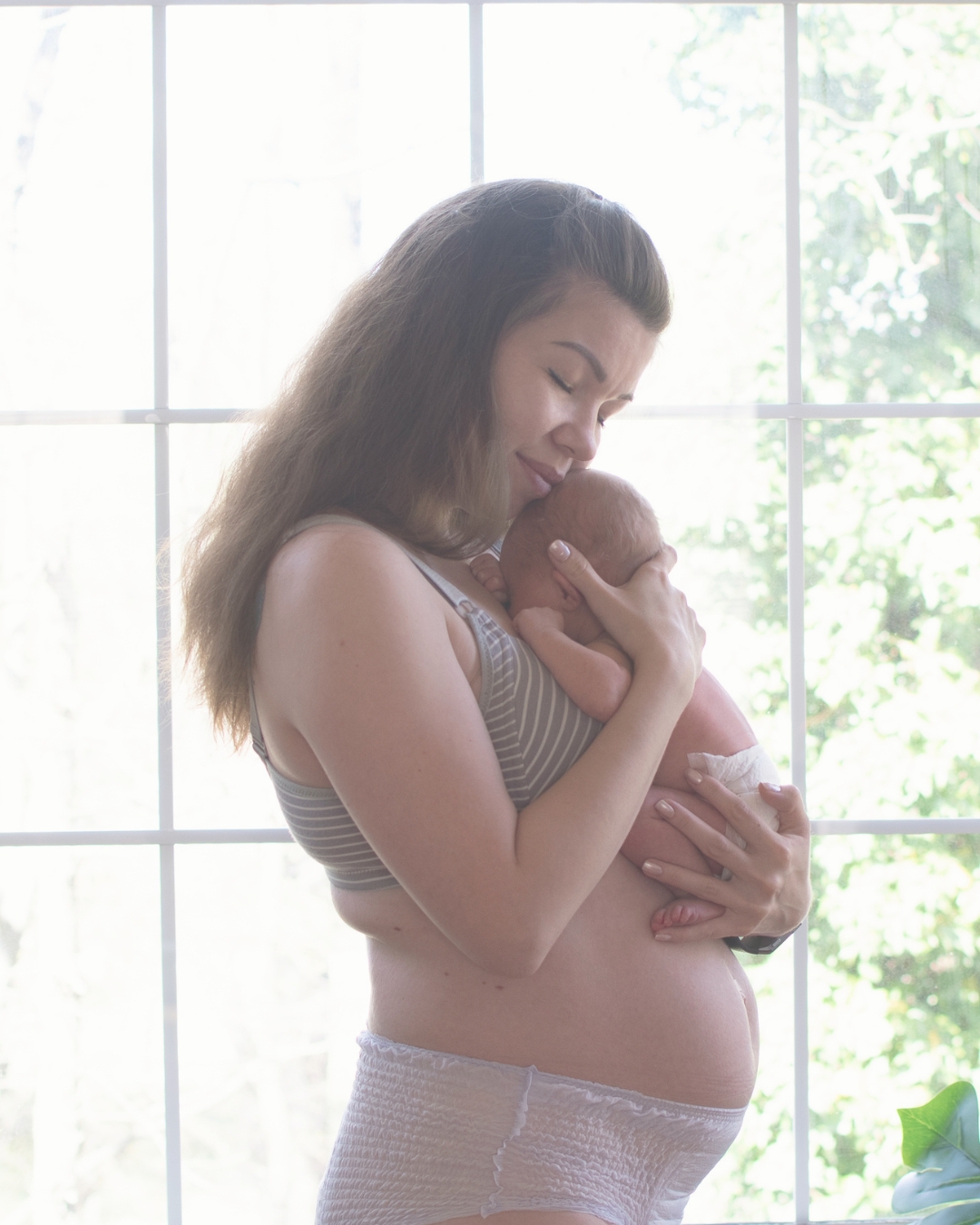
The weeks and months after childbirth are often focused on the baby—but many mothers are left wondering how to care for their own recovery.
While postpartum checkups typically occur around six weeks after delivery, the truth is that healing from pregnancy and birth takes much longer.
Your body has undergone tremendous physical changes, including:
• stretching of abdominal muscles
• pelvic floor strain
• hormonal shifts
• changes in posture and core strength
Understanding how to support your body during this time can make a significant difference in long-term health.
Recovery is not about “bouncing back”—it’s about healing and rebuilding strength.
Common Postpartum Symptoms
Many women experience symptoms after birth that they assume are normal.
These can include:
• leaking urine when laughing or exercising
• pelvic heaviness or pressure
• abdominal separation (diastasis recti)
• pain with intercourse
• lower back or hip pain
• difficulty returning to exercise
While these symptoms are common, they are not something women simply have to live with.
The Pelvic Floor After Pregnancy
During pregnancy and delivery, the pelvic floor muscles experience significant stress. These muscles help support pelvic organs and play an important role in bladder and bowel control.
After birth, the pelvic floor may be:
• weakened
• overactive
• injured
• or lacking coordination
Pelvic floor physical therapy helps restore strength, coordination, and proper function so women can return to their daily activities safely.
Why Early Education Matters
Many countries include pelvic floor rehabilitation as part of routine postpartum care.
In the United States, however, many women are never told that pelvic floor therapy exists.
At The Pelvic Bridge, we aim to change that by providing accessible education and resources so mothers understand how to support their bodies after birth.
Gentle Steps for Postpartum Healing
Every recovery is different, but some general guidelines include:
• prioritize rest and gradual return to activity
• focus on breathing and gentle core activation
• avoid high-impact exercise too soon
• address symptoms early rather than waiting months or years
Listening to your body is key.
Recovery is not about “bouncing back”—it’s about healing and rebuilding strength.
You Deserve Support Too
Motherhood is often described as selfless, but caring for yourself is essential to caring for your family.
Postpartum recovery is not just about surviving those early weeks—it’s about protecting your long-term health.
And no mother should have to navigate that journey alone.